The Future of Personal Training in Singapore: AI, Virtual Coaching, and Hybrid Fitness Models
Personal training has always been about connection, guidance, and accountability. Yet, with rapid advancements in technology and changing lifestyles, the way fitness is delivered is transforming. Singapore, known for its innovation and fast-paced environment, is at the forefront of this evolution. From artificial intelligence to hybrid models that blend in-person and virtual coaching, the future of personal training Singapore promises more accessibility, personalisation, and flexibility than ever before.
True Fitness Singapore is embracing these innovations by combining traditional expertise with modern tools. The result is a new era of fitness that adapts to individual needs while keeping pace with technological progress.
The Role of AI in Personal Training
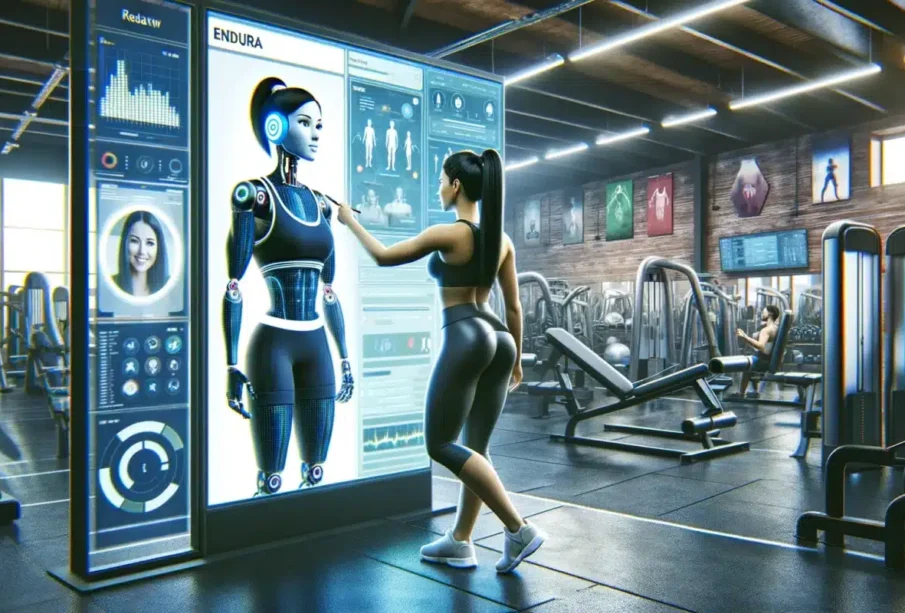
Artificial intelligence is reshaping how workouts are designed and tracked. AI-driven platforms can analyse vast amounts of data, providing insights that were once only available through long-term observation. Applications include:
-
Smart assessments that evaluate posture, movement, and form using sensors or mobile cameras
-
Customised programmes generated from real-time data about goals, fitness levels, and progress
-
Predictive analytics that suggest when to increase intensity or rest based on recovery markers
-
Automated tracking of calories, sleep, and activity for a holistic view of health
AI does not replace trainers but enhances their ability to deliver precise, data-backed guidance.
Virtual Coaching and Remote Training
With busy schedules and frequent travel, many Singaporeans find it challenging to commit to in-person sessions. Virtual coaching bridges this gap. Trainers connect with clients through video calls, apps, or online platforms, offering:
-
Real-time feedback during live sessions
-
Access to recorded workouts for flexibility
-
Progress tracking through digital tools
-
Ongoing communication to maintain accountability
This model allows individuals to stay consistent with fitness goals even when they cannot physically visit the gym.
Hybrid Fitness Models: The Best of Both Worlds
Hybrid training combines face-to-face sessions with virtual support. For example, a client might meet their trainer once a week at the gym, then follow digital workouts at home or while travelling. Benefits include:
-
Personal interaction to refine form and build trust
-
Online resources for convenience and flexibility
-
Continuous communication for accountability
-
Cost-effectiveness by reducing the number of in-person sessions needed
This model is particularly popular in Singapore, where professionals balance demanding work schedules with personal commitments.
Wearable Technology and Data Integration
Wearables such as fitness trackers, smartwatches, and heart rate monitors are playing a key role in the future of personal training. Trainers can access real-time data on:
-
Daily activity levels
-
Heart rate zones during workouts
-
Sleep patterns and recovery scores
-
Calorie expenditure and nutrition tracking
This information allows trainers to fine-tune programmes, making them more effective and tailored to each client’s lifestyle.
The Rise of On-Demand Fitness
Another significant trend is the availability of on-demand training resources. Clients increasingly expect 24/7 access to workouts, tutorials, and nutritional advice. Trainers in Singapore are responding by offering:
-
Mobile apps with guided workouts
-
Video libraries of exercises with form instructions
-
Digital communities for support and motivation
-
Chat-based coaching for quick tips and adjustments
This shift empowers clients to take control of their fitness without losing professional guidance.
How Personal Training Will Evolve in Singapore
The next decade of personal training in Singapore is expected to bring several changes:
-
Greater personalisation through AI-driven assessments
-
More flexible delivery via hybrid and virtual models
-
Increased focus on holistic health, including mental wellbeing and stress management
-
Integration with healthcare systems to support chronic condition management
-
Sustainability in fitness through eco-friendly gyms and digital-first solutions
These trends reflect Singapore’s emphasis on innovation, health, and efficiency.
Why Human Expertise Remains Irreplaceable
While technology enhances training, the human touch remains essential. Trainers provide empathy, encouragement, and adaptability that machines cannot replicate. Personal trainers also address emotional and psychological barriers, helping clients build confidence and resilience. The future of fitness lies not in replacing trainers but in equipping them with smarter tools to serve clients better.
Why True Fitness Singapore is Leading the Future
True Fitness Singapore combines expert trainers with modern technology to deliver a truly hybrid fitness experience. By integrating AI-driven tools, virtual support, and in-person sessions, the brand ensures clients enjoy the best of both worlds. Whether someone prefers face-to-face guidance, digital convenience, or a mix of both, True Fitness provides tailored solutions that meet evolving needs.
Real-Life Examples of the Future in Action
-
A corporate client uses wearable data synced with trainer dashboards to optimise recovery and training schedules.
-
A frequent traveller trains once a week in-person and maintains progress with virtual sessions while abroad.
-
A busy parent accesses on-demand workouts through an app while receiving regular online check-ins from a trainer.
These scenarios highlight how the future of personal training is already becoming reality in Singapore.
FAQs About the Future of Personal Training
Q. Will AI replace personal trainers?
A. No. AI enhances personal training by providing data-driven insights, but human trainers remain essential for motivation, emotional support, and adaptability.
Q. How does hybrid training work in practice?
A. Clients combine in-person sessions with virtual workouts, ensuring personal attention alongside the flexibility of online support.
Q. Are virtual training sessions as effective as in-person ones?
A. Yes, when properly designed. Trainers provide live feedback and adapt workouts, making them effective for busy clients or frequent travellers.
Q. Do I need expensive technology to benefit from future training methods?
A. Not necessarily. Basic wearables or mobile apps provide enough data for trainers to enhance programmes without heavy investment.
Q. How will personal training in Singapore continue to evolve?
A. Expect more integration of technology, flexible delivery formats, and a stronger focus on overall wellbeing rather than just physical results.