

Advanced Social Media Strategies for Business Growth
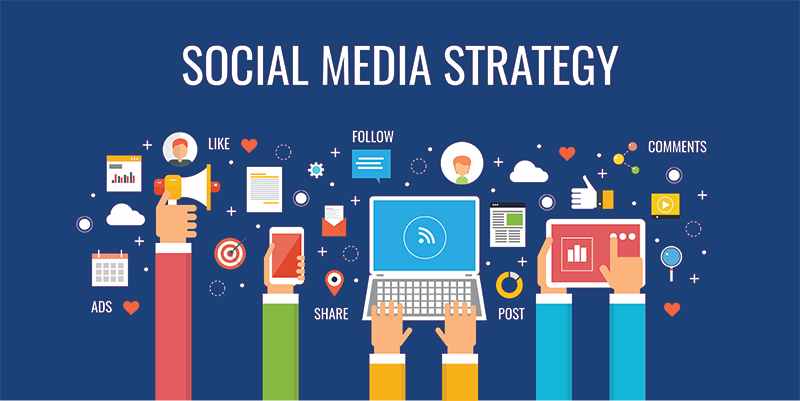
In the modern digital landscape, social media is no longer just a platform for sharing content—it has become a critical tool for business growth, brand positioning, and audience engagement. Organizations that leverage social media strategically gain access to valuable insights, high-impact marketing opportunities, and meaningful connections with their target audiences. This article explores advanced social media strategies, platform-specific techniques, and innovative approaches that go beyond beginner-level content, helping businesses thrive in a competitive environment.
Understanding the Strategic Value of Social Media
Social Media as a Business Asset
Social media has evolved into a powerful business tool:
-
Brand Visibility and Authority: Platforms allow businesses to showcase expertise, build credibility, and strengthen brand recognition.
-
Customer Engagement: Social media enables real-time interactions, personalized communication, and community building.
-
Data-Driven Insights: Analytics and metrics provide actionable information about audience behavior, preferences, and trends.
The Evolution of Social Media Marketing
From simple content posting to full-scale strategic campaigns, social media has undergone significant transformation:
-
Algorithmic Optimization: Platforms prioritize engagement and relevance, making strategy and timing critical.
-
Integration with Business Functions: Social media now supports sales, customer service, HR, and product development initiatives.
-
Influencer and Collaborative Marketing: Partnering with influencers and thought leaders amplifies reach and impact.
Crafting a High-Impact Social Media Strategy
Identifying Target Audiences
Effective social media begins with understanding the audience:
-
Demographic and Psychographic Analysis: Identify key segments based on age, location, interests, and behavior.
-
Behavioral Insights: Track online behavior patterns, engagement levels, and content preferences.
-
Persona Development: Create detailed audience personas to guide messaging, content types, and platform selection.
Setting Strategic Objectives
Clear objectives ensure campaigns are focused and measurable:
-
Brand Awareness and Recognition: Expand visibility through consistent and high-quality content.
-
Lead Generation and Conversion: Use targeted campaigns to drive traffic, subscriptions, and purchases.
-
Community Engagement: Build loyalty and advocacy by fostering meaningful conversations with followers.
Platform-Specific Approaches
Different platforms require tailored strategies to maximize impact:
-
Instagram and TikTok: Focus on visual storytelling, reels, and short-form video content.
-
LinkedIn: Emphasize thought leadership, industry insights, and professional networking.
-
Twitter/X: Leverage timely updates, trends, and micro-content to engage audiences in real-time.
-
Facebook: Utilize community groups, targeted ads, and live events for deeper engagement.
Advanced Content Strategies
Storytelling and Narrative Techniques
Content that resonates emotionally drives engagement:
-
Brand Storytelling: Share the company journey, mission, and values to humanize the brand.
-
User-Generated Content: Encourage customers to share experiences, building authenticity and trust.
-
Interactive Storytelling: Polls, quizzes, and live sessions enhance engagement and foster two-way communication.
Content Diversification
Diversifying content types increases reach and keeps audiences engaged:
-
Video Marketing: Short-form videos, tutorials, and webinars capture attention and provide value.
-
Infographics and Visuals: Simplify complex data and showcase insights in an easy-to-digest format.
-
Long-Form Content: Detailed guides, reports, and case studies establish authority and expertise.
Algorithm-Friendly Posting
Understanding algorithms ensures content reaches the intended audience:
-
Engagement Signals: Likes, comments, shares, and saves determine visibility.
-
Timing and Frequency: Posting when audiences are most active increases reach and interaction.
-
Content Relevance: Tailoring posts to current trends and audience interests boosts algorithmic favorability.
Leveraging Analytics and Insights
Data-Driven Decision Making
Social media analytics inform strategy adjustments:
-
Engagement Metrics: Track likes, comments, shares, and click-through rates.
-
Audience Insights: Analyze demographics, behavior, and preferences to optimize targeting.
-
Conversion Tracking: Measure the impact of campaigns on sales, leads, and subscriptions.
Predictive Analytics
Advanced analytics enable proactive strategies:
-
Trend Forecasting: Identify emerging topics and anticipate audience interests.
-
Content Optimization: Use data to refine post formats, themes, and messaging.
-
ROI Measurement: Quantify the return on investment for campaigns, ads, and collaborations.
Influencer and Collaborative Marketing
Strategic Partnerships
Influencer marketing extends brand reach and credibility:
-
Micro-Influencers: Engage niche influencers with highly engaged audiences for targeted campaigns.
-
Co-Creation Initiatives: Collaborate with influencers or brands on content, events, or campaigns.
-
Ambassador Programs: Develop long-term partnerships to maintain consistent promotion and advocacy.
Community-Driven Marketing
Engaging communities amplifies social influence:
-
Online Groups and Forums: Participate in industry-specific communities to foster authority and trust.
-
Crowdsourced Campaigns: Encourage followers to contribute ideas, content, or product feedback.
-
Interactive Campaigns: Quizzes, challenges, and contests boost engagement and user participation.
Paid Social Media Strategies
Targeted Advertising
Paid campaigns allow precise audience targeting and measurable results:
-
Custom Audiences: Segment users based on behavior, demographics, or prior engagement.
-
Retargeting Campaigns: Re-engage users who previously interacted with content or websites.
-
Lookalike Audiences: Reach potential customers similar to existing high-value users.
Performance Optimization
Continuous testing ensures advertising efficiency:
-
A/B Testing: Compare creative formats, messaging, and targeting for optimal results.
-
Budget Allocation: Shift resources to high-performing campaigns and channels.
-
Conversion Tracking: Analyze ad impact on desired outcomes, adjusting strategies accordingly.
Crisis Management and Reputation Building
Social Listening
Monitoring conversations protects brand reputation and identifies opportunities:
-
Real-Time Monitoring: Track mentions, comments, and trending topics related to the brand.
-
Sentiment Analysis: Assess public perception and respond proactively to issues.
-
Competitive Benchmarking: Evaluate competitor strategies and market positioning.
Crisis Response
Effective response strategies mitigate risks:
-
Transparency: Address issues honestly and promptly to maintain trust.
-
Consistency: Ensure messaging aligns across all platforms and spokespeople.
-
Follow-Up Engagement: Communicate updates and improvements post-crisis to reassure audiences.
FAQs
1. How can social media drive business growth beyond marketing?
Social media supports sales, customer service, HR, and product development, creating multiple avenues for business growth.
2. What metrics should businesses track for social media ROI?
Track engagement rates, conversion metrics, audience growth, click-through rates, and revenue attribution.
3. How can influencer marketing be optimized for maximum impact?
Focus on audience alignment, authenticity, and long-term partnerships rather than one-off promotions.
4. How important is content diversification in social media strategy?
Diversified content caters to different audience preferences, increases engagement, and enhances brand authority.
5. What role does social listening play in brand management?
Social listening allows brands to monitor sentiment, respond proactively to feedback, and identify emerging trends.
6. How can predictive analytics improve social media campaigns?
Predictive analytics anticipate audience behavior, optimize content strategies, and forecast campaign performance for better ROI.
7. How should businesses approach platform-specific strategies?
Tailor content, messaging, and engagement tactics to the unique features and audience behaviors of each social media platform.


