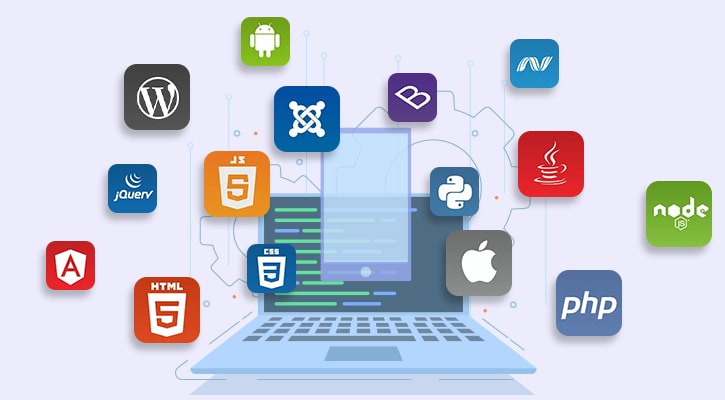
Advanced Strategies for Application Development and Optimization
In today’s digital ecosystem, applications (apps) are no longer just tools—they are critical extensions of businesses, services, and personal productivity. Successful applications require careful planning, robust development, advanced optimization, and ongoing management to meet user expectations, enhance engagement, and maintain competitiveness. This article delves into advanced strategies for application development, deployment, and optimization, going beyond the basics to provide insights for developers, product managers, and tech enthusiasts aiming for high-impact applications.
Understanding the Modern Application Landscape
Evolution of Applications
Applications have evolved from simple desktop utilities to complex, interconnected ecosystems:
-
Desktop to Mobile Shift: Applications have moved from stationary desktops to mobile devices, requiring responsive interfaces and adaptive designs.
-
Cloud Integration: Modern apps often leverage cloud services for scalability, storage, and computational efficiency.
-
Cross-Platform Development: Developers increasingly adopt frameworks that allow seamless functionality across multiple platforms, including iOS, Android, and web.
Application Types
Understanding the type of application informs its development and optimization strategy:
-
Native Applications: Developed specifically for one platform, offering superior performance and access to device-specific features.
-
Hybrid Applications: Use a combination of web technologies and native features to achieve broader reach with moderate performance trade-offs.
-
Progressive Web Apps (PWAs): Web applications designed to behave like native apps, offering offline capabilities and push notifications without installation overhead.
Advanced Application Planning
Market and User Research
Successful applications are grounded in deep market and user insights:
-
Behavioral Analysis: Examine how target users interact with similar applications to identify gaps and opportunities.
-
User Segmentation: Different user groups often require tailored features, interfaces, and workflows.
-
Competitive Benchmarking: Analyze competitors’ strengths and weaknesses to differentiate your app.
Feature Prioritization
Feature bloat is a common pitfall; prioritize based on impact:
-
Core Functionality: Focus on features that address primary user needs.
-
Enhancements and Add-ons: Secondary features should improve experience without complicating the interface.
-
Scalability Considerations: Plan features that can evolve without requiring a full rebuild of the application architecture.
Development Best Practices
Architectural Excellence
A strong foundation ensures performance, scalability, and maintainability:
-
Modular Design: Allows components to be updated independently, reducing downtime and development complexity.
-
Microservices Architecture: Supports scalability, distributed workloads, and faster deployment cycles.
-
API-First Approach: Enables integration with external services and simplifies cross-platform communication.
Security and Compliance
Security is critical, especially for apps handling sensitive user data:
-
Data Encryption: Both in transit and at rest to prevent unauthorized access.
-
Authentication Protocols: Multi-factor authentication and OAuth standards improve user security.
-
Regulatory Compliance: Adherence to GDPR, HIPAA, or other local regulations ensures legal protection and user trust.
Performance Optimization
High-performing applications retain users and enhance engagement:
-
Load Testing: Simulate peak usage scenarios to identify bottlenecks.
-
Caching Strategies: Reduce server load and improve response times.
-
Code Optimization: Minimize redundant operations, optimize algorithms, and reduce memory footprint.
User Experience (UX) Excellence
Interface Design
User experience drives adoption and retention:
-
Responsive Design: Ensure seamless functionality across devices and screen sizes.
-
Intuitive Navigation: Clear pathways and minimal clicks improve engagement.
-
Accessibility Standards: Support users with disabilities through compliance with WCAG guidelines.
Personalization
Modern applications succeed by tailoring experiences to individual users:
-
Dynamic Content: Adjust information based on behavior, preferences, or location.
-
Recommendation Systems: Algorithms provide personalized suggestions to enhance engagement.
-
Adaptive Notifications: Send contextually relevant alerts to improve retention without overwhelming users.
Deployment and Scalability
Continuous Integration and Deployment (CI/CD)
CI/CD pipelines streamline updates and reduce downtime:
-
Automated Testing: Detect bugs before deployment using unit, integration, and regression tests.
-
Incremental Rollouts: Deploy features to a subset of users first to monitor performance.
-
Rollback Mechanisms: Quickly revert to previous versions in case of critical failures.
Cloud and Infrastructure Considerations
Modern applications often rely on cloud platforms for reliability and scalability:
-
Serverless Architectures: Reduce infrastructure management overhead and scale automatically.
-
Containerization: Use Docker or Kubernetes for consistent deployment across environments.
-
Load Balancing and Redundancy: Distribute traffic efficiently to prevent downtime during peak usage.
Advanced Analytics and Optimization
User Behavior Analytics
Monitoring user behavior informs feature improvements and monetization strategies:
-
Engagement Metrics: Track session duration, active users, and feature usage patterns.
-
Conversion Funnels: Identify points where users drop off and optimize the workflow.
-
A/B Testing: Compare variations of features or designs to measure effectiveness.
Performance Monitoring
Maintaining smooth performance is essential for retention:
-
Real-Time Monitoring: Use tools to track latency, crashes, and errors instantly.
-
Resource Usage Analysis: Monitor memory, CPU, and network consumption to prevent slowdowns.
-
User Feedback Integration: Collect and analyze feedback to prioritize performance improvements.
Monetization Strategies
Advanced applications implement multiple revenue streams:
-
In-App Purchases and Subscriptions: Offer value-added services or premium content.
-
Advertising Optimization: Use targeted ads while maintaining user experience.
-
Freemium Models: Provide basic functionality for free, incentivizing upgrades for advanced features.
Future-Proofing Applications
Emerging Technologies
Adapting to emerging technologies ensures longevity:
-
Artificial Intelligence: Integrate AI for personalization, predictive analytics, and automation.
-
Augmented and Virtual Reality: Enhance user interaction in gaming, retail, and training applications.
-
Blockchain Integration: Improve data security, transparency, and transactional integrity.
Maintenance and Updates
Ongoing maintenance is crucial for long-term success:
-
Regular Patching: Address security vulnerabilities promptly.
-
Feature Evolution: Continuously update features based on analytics and user demand.
-
Legacy Support: Ensure compatibility with older devices to retain existing users.
FAQs
1. How can I determine the best application type for my project?
Evaluate user needs, platform preferences, and performance requirements. Native apps suit high-performance needs, while PWAs offer broad accessibility.
2. What is the role of microservices in application development?
Microservices enable modular, scalable architectures, allowing independent updates and improved fault isolation.
3. How can I ensure my application remains secure?
Implement encryption, secure authentication, regular audits, and compliance with regulatory standards.
4. What strategies enhance application retention rates?
Focus on intuitive UX, personalized content, adaptive notifications, and seamless performance.
5. How do I optimize an application for high traffic loads?
Use load balancing, caching strategies, serverless infrastructure, and stress testing.
6. Should I prioritize mobile or web platforms?
It depends on user behavior, engagement patterns, and technical requirements; cross-platform solutions are increasingly popular.
7. How can analytics improve application performance and revenue?
Track user behavior, monitor performance metrics, and conduct A/B testing to optimize features and monetization strategies.