Advanced Strategies in Design Development for Business and Innovation
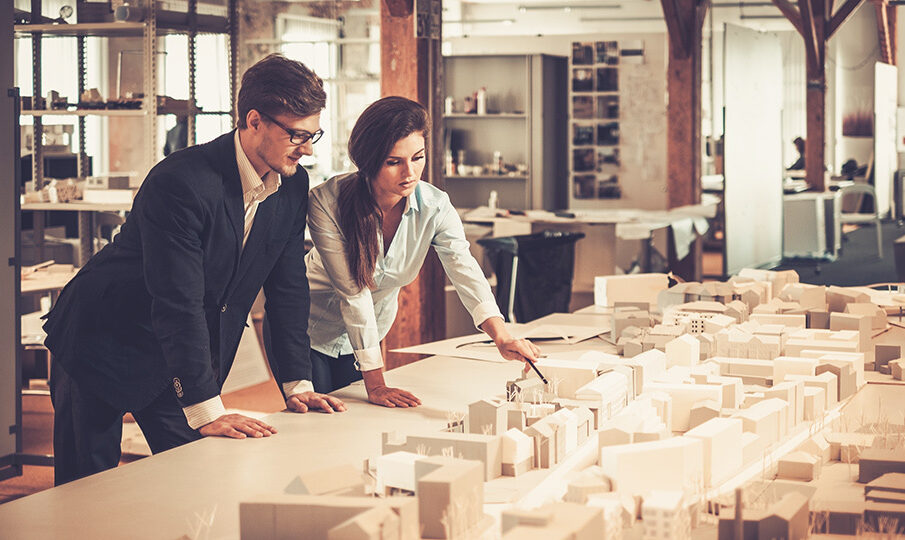
In today’s competitive landscape, design development has evolved far beyond aesthetics. It is now a strategic tool that drives innovation, enhances user experience, and strengthens brand identity. Companies that leverage design development effectively not only create visually compelling products and services but also optimize functionality, efficiency, and customer engagement. This article explores advanced design development strategies, addressing the latest trends, tools, and practices to help businesses achieve sustainable growth and market differentiation.
Understanding Modern Design Development
The Strategic Role of Design
Design development is no longer an afterthought—it is a critical component of business strategy:
-
User-Centered Focus: Design must solve real problems for end-users while enhancing usability and satisfaction.
-
Innovation Driver: Integrating design thinking into product and service development fosters creative solutions that disrupt markets.
-
Brand Differentiation: Consistent and thoughtful design strengthens brand recognition and credibility.
The Integration of Design and Development
Advanced businesses merge design and development into a seamless workflow:
-
Collaborative Teams: Designers, developers, and business strategists work together from concept to execution.
-
Agile Methodologies: Iterative processes allow rapid prototyping, feedback integration, and continuous improvement.
-
Cross-Disciplinary Expertise: Combining UI/UX, graphic design, engineering, and marketing ensures holistic solutions.
Key Components of Effective Design Development
Research and Analysis
Before creating a design, thorough research is essential:
-
Market Research: Analyze competitor offerings, industry trends, and emerging technologies.
-
User Research: Conduct interviews, surveys, and behavioral studies to understand target audience needs.
-
Data-Driven Insights: Use analytics to identify patterns, preferences, and pain points that inform design decisions.
Conceptualization and Ideation
The ideation phase transforms insights into actionable design concepts:
-
Brainstorming Workshops: Encourage team collaboration to generate innovative ideas.
-
Storyboarding and Sketching: Visualize user flows, product features, and potential solutions.
-
Feasibility Assessment: Evaluate technical, financial, and operational viability before committing to development.
Prototyping and Iterative Design
Prototyping is critical to refining concepts before full-scale production:
-
Low-Fidelity Prototypes: Quick sketches or wireframes test basic functionality and structure.
-
High-Fidelity Prototypes: Interactive digital models simulate the final product, allowing detailed testing and feedback.
-
Iterative Refinement: Continuous adjustments based on user feedback ensure usability, efficiency, and aesthetic appeal.
Advanced User Experience (UX) Design
Modern design development prioritizes UX to enhance engagement and retention:
-
Journey Mapping: Identify all touchpoints and optimize the user’s interaction with the product or service.
-
Accessibility and Inclusivity: Ensure products cater to diverse users, including those with disabilities or varying tech literacy.
-
Emotional Design: Create experiences that evoke positive emotional responses and build brand loyalty.
Interface Design and Visual Storytelling
A compelling interface translates design strategy into tangible outcomes:
-
Consistency in Visual Language: Use cohesive typography, color palettes, and iconography to reinforce brand identity.
-
Micro-Interactions: Subtle animations, transitions, and feedback elements enhance usability and engagement.
-
Story-Driven Design: Communicate the product’s purpose and value through visual narrative techniques.
Technology and Tools in Design Development
Leveraging Advanced Software
Modern design development relies on cutting-edge tools to streamline workflows:
-
CAD and 3D Modeling: Enable precise visualization and testing of physical products.
-
Prototyping Platforms: Tools like Figma, Sketch, and Adobe XD facilitate rapid iteration and collaborative feedback.
-
Analytics and Testing Tools: Heatmaps, A/B testing, and usability metrics guide data-driven design improvements.
Emerging Technologies
Innovative technologies are transforming how design is conceptualized and executed:
-
Artificial Intelligence (AI): AI-powered tools can generate design variations, optimize layouts, and predict user behavior.
-
Virtual and Augmented Reality (VR/AR): Immersive experiences allow designers and users to explore products in realistic simulations.
-
Internet of Things (IoT) Integration: Designs for connected devices require cross-platform consistency and seamless functionality.
Scaling Design Development for Business Growth
Product Design and Commercialization
Effective design development bridges creativity with market viability:
-
Rapid Prototyping for Market Testing: Launch minimum viable products (MVPs) to gather early feedback.
-
Iterative Product Improvement: Use customer insights to refine design and optimize performance.
-
Brand-Driven Design Decisions: Ensure each design aligns with overall brand values and messaging.
Design Systems and Standardization
Large organizations benefit from structured design systems:
-
Component Libraries: Reusable UI elements ensure consistency across products and platforms.
-
Guidelines and Documentation: Standardized processes reduce errors and streamline onboarding for new designers.
-
Cross-Platform Cohesion: Maintain uniform design language across web, mobile, and physical products.
Collaboration and Cross-Functional Teams
Successful design development relies on collaboration:
-
Integration with Development Teams: Ensure designs are technically feasible and optimized for production.
-
Marketing and Business Alignment: Designs should communicate value propositions and align with go-to-market strategies.
-
Continuous Feedback Loops: Encourage ongoing dialogue between stakeholders to refine designs in real-time.
Sustainability and Ethical Considerations
Environmentally Conscious Design
Sustainable design practices reduce environmental impact:
-
Eco-Friendly Materials: Use renewable or recyclable resources in product development.
-
Energy-Efficient Production: Optimize processes to minimize energy consumption and waste.
-
Longevity and Repairability: Design products for durability and ease of maintenance.
Ethical Design Principles
Designers must consider social responsibility and ethical implications:
-
Inclusive Design Practices: Cater to diverse audiences and minimize bias in user experience.
-
Data Privacy and Security: Ensure user data is protected in digital interfaces and connected products.
-
Transparency in AI-Driven Design: Avoid misleading users with automated decision-making features.
Measuring Success in Design Development
Key Performance Indicators (KPIs)
To evaluate effectiveness, businesses track measurable outcomes:
-
User Engagement Metrics: Track session duration, interaction rates, and feature usage.
-
Conversion Rates and Sales Impact: Measure how design influences purchasing behavior or service adoption.
-
Customer Satisfaction and NPS: Collect feedback to gauge emotional response and loyalty.
Continuous Improvement
Design development is an ongoing process:
-
Post-Launch Analysis: Assess real-world performance and identify areas for enhancement.
-
Innovation Sprints: Regularly explore new design trends, technologies, and methodologies.
-
Learning Culture: Encourage teams to experiment, fail fast, and iterate to foster creativity and efficiency.
FAQs
1. How does design development impact business growth?
Effective design development improves user experience, strengthens brand identity, and drives innovation, resulting in higher engagement, customer loyalty, and revenue.
2. What is the difference between design thinking and design development?
Design thinking is a problem-solving approach that guides ideation and creativity, while design development focuses on turning those ideas into functional, market-ready solutions.
3. How can AI enhance design development processes?
AI can automate repetitive tasks, generate design variations, predict user behavior, and provide data-driven insights for optimization.
4. What role does prototyping play in design development?
Prototyping allows iterative testing and refinement of ideas, reducing risks and ensuring the final product meets user needs and expectations.
5. How can businesses integrate sustainability into design?
Use eco-friendly materials, optimize production efficiency, design for durability, and prioritize repairability and recyclability.
6. Why is collaboration important in design development?
Cross-functional collaboration ensures designs are technically feasible, market-aligned, and meet user expectations, enhancing efficiency and innovation.
7. How do you measure the success of design development?
Track KPIs such as user engagement, conversion rates, customer satisfaction, and post-launch performance metrics to evaluate effectiveness.