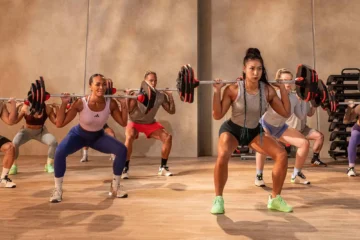
Pilates Singapore with Wearables, Using Data to Train Smarter Not Harder
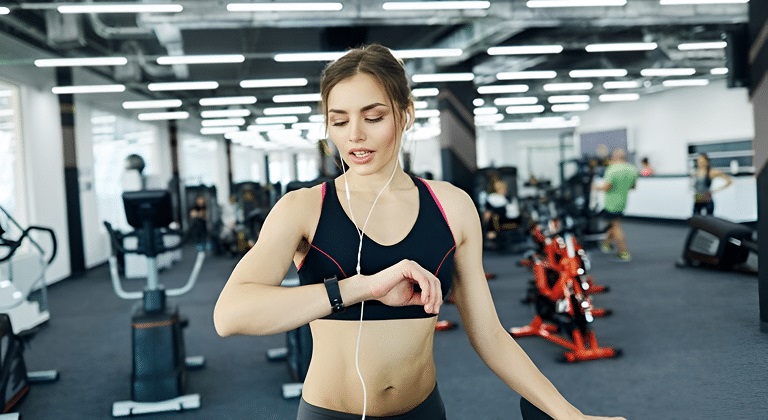
Technology has quietly reshaped how people approach fitness in Singapore. Wearable devices, health apps, and performance metrics now influence daily decisions about sleep, recovery, and training intensity. While data is often associated with high-impact or endurance sports, it also plays a meaningful role in Pilates when used correctly. Practising pilates singapore alongside wearable insights can help individuals train with better awareness, avoid burnout, and make steady long-term progress.
Pilates remains a mindful and body-led practice, but data can act as a supportive guide when interpreted sensibly rather than followed blindly.
The rise of wearables in everyday fitness
Smartwatches and fitness bands are no longer niche tools. Many people now track steps, heart rate, sleep, and stress levels daily without much effort.
Common metrics collected include:
-
Resting heart rate
-
Heart rate variability (HRV)
-
Sleep duration and quality
-
Daily movement volume
-
Perceived exertion data
When understood properly, these metrics can inform Pilates training decisions instead of replacing body awareness.
Why Pilates benefits from smart data use
Pilates focuses on control, precision, and nervous system regulation. Unlike workouts that push maximum heart rate, Pilates works best when the body is well-recovered and responsive.
Wearable data helps by:
-
Highlighting fatigue patterns
-
Identifying poor sleep trends
-
Encouraging rest when needed
-
Supporting consistency rather than intensity
This aligns well with Pilates principles.
Understanding HRV for Pilates training
Heart rate variability reflects how well the nervous system adapts to stress. Higher variability generally indicates better recovery, while consistently low readings may suggest fatigue.
How HRV applies to Pilates
-
Lower HRV days may suit gentler sessions
-
Higher HRV days may allow more challenging sequences
-
Sudden drops can signal the need for recovery
HRV should guide adjustments, not dictate complete rest unless paired with physical symptoms.
Resting heart rate and recovery signals
Resting heart rate trends can reveal subtle changes in recovery status.
Key observations include:
-
Gradual increases over several days
-
Higher morning heart rate after poor sleep
-
Lower rates during periods of good recovery
Pilates practitioners can use this information to adjust session intensity without abandoning practice.
Sleep tracking and movement quality
Sleep quality directly affects coordination, balance, and focus. Pilates relies heavily on neuromuscular control, making sleep a critical factor.
Wearables often track:
-
Total sleep time
-
Sleep consistency
-
Night-time disturbances
Poor sleep may not prevent training but may suggest focusing on slower, more restorative movements.
Using perceived exertion alongside data
Numbers alone do not capture how the body feels. Pilates practitioners benefit from combining data with perceived exertion.
Effective self-check questions include:
-
Do movements feel controlled or rushed?
-
Is breathing smooth or strained?
-
Is focus sharp or scattered?
This balance keeps training responsive rather than mechanical.
Avoiding overtraining in low-impact disciplines
Low-impact does not mean low demand. Pilates can be neurologically and muscularly demanding, especially with consistent practice.
Wearables help identify overtraining signs such as:
-
Elevated resting heart rate
-
Declining HRV
-
Persistent fatigue despite light sessions
Early detection supports smarter recovery choices.
Weekly planning with wearable insights
Data becomes useful when viewed over time rather than daily fluctuations.
Practical weekly planning strategies
-
Review trends instead of single-day numbers
-
Adjust intensity rather than skipping sessions
-
Schedule lighter sessions after poor recovery days
This approach maintains routine while respecting recovery needs.
Data-driven recovery strategies
Wearables can also support recovery habits outside class.
Useful recovery indicators include:
-
Improved sleep consistency
-
Stabilised heart rate trends
-
Reduced perceived fatigue
Pilates sessions that focus on mobility and breathing can actively improve these metrics.
Technology without losing body awareness
One risk of wearable use is over-reliance on numbers. Pilates remains grounded in sensation and control.
To maintain balance:
-
Use data as feedback, not judgement
-
Prioritise movement quality over metrics
-
Adjust expectations based on how the body responds
This keeps practice intuitive rather than rigid.
Privacy and data mindfulness
As wearable use grows, data privacy becomes more relevant. Users should be mindful of how personal health data is stored and shared.
Simple precautions include:
-
Reviewing app privacy settings
-
Sharing only necessary data
-
Avoiding unnecessary third-party integrations
Awareness supports responsible tech use.
Pilates progression beyond visible metrics
Pilates progress is not always measurable through numbers. Improved posture, reduced pain, and better movement control often matter more than metrics.
Wearables complement this by:
-
Supporting consistency
-
Encouraging rest when needed
-
Reinforcing healthy routines
They do not replace embodied awareness.
Using tech to support long-term Pilates practice
When used thoughtfully, wearables help individuals stay consistent without pushing unnecessarily. This supports longevity rather than short-term performance.
Many practitioners appreciate environments like Yoga Edition, where mindful movement is prioritised and technology is viewed as a support tool rather than the focus.
Real-life FAQ
Q: Should I skip Pilates if my HRV is low?
A: Not necessarily. Low HRV may suggest choosing a gentler session focused on mobility and breathing rather than intensity.
Q: Can wearables accurately measure Pilates intensity?
A: Wearables capture general physiological responses but may not reflect muscular or coordination demands accurately.
Q: How often should I check wearable data for Pilates training?
A: Reviewing trends weekly is more useful than reacting to daily changes.
Q: Does poor sleep mean I should cancel class?
A: Poor sleep may warrant adjusting expectations, but gentle Pilates can still support recovery.
Q: Are wearables necessary for Pilates progress?
A: No. They are optional tools that can support awareness but are not required for effective practice.
Q: Can wearable data improve consistency?
A: Yes, seeing recovery trends often encourages balanced training habits and reduces the urge to overtrain.